
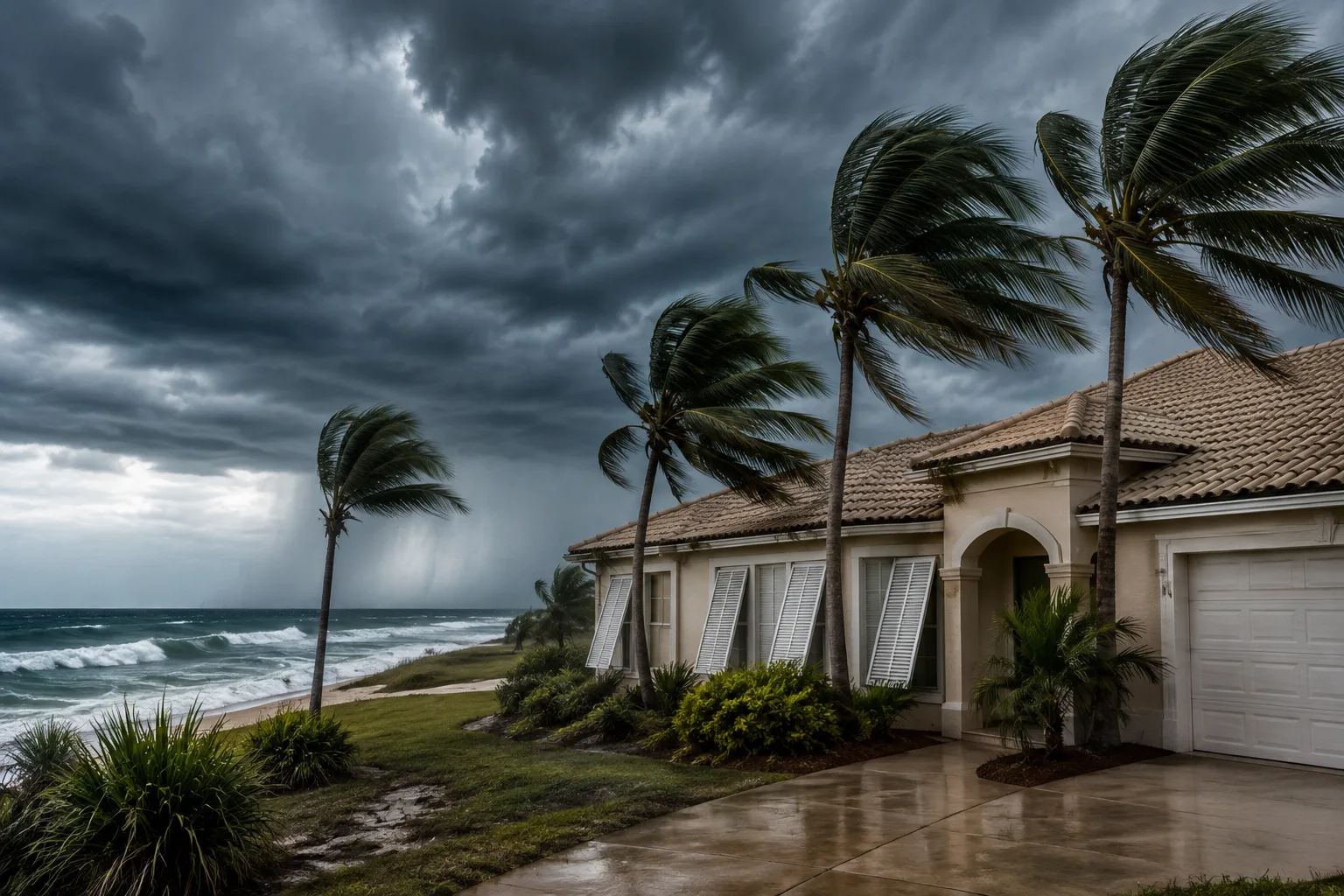
If you own a home in Bradenton, Manatee County, or Sarasota County, you already know that hurricane season isn’t something you think about once a storm shows up in the forecast. A hurricane home prep checklist Florida homeowners can actually rely on starts months before the first named storm forms, not 48 hours before it’s expected to make landfall. This guide walks through exactly what to do in the off-season, in the final 72 hours before a storm, in the last 24 hours before landfall, and after the wind dies down, along with realistic costs, which tasks call for a licensed professional, and how to protect a home you won’t be at when the storm arrives.
When Does Hurricane Season Start in Florida, and Why Early Prep Matters?
Atlantic hurricane season officially runs from June 1 through November 30, but the real risk window is narrower than that. NOAA’s 30-year climate data shows that roughly three-quarters of tropical storm days and nearly 90 percent of Category 1 and 2 hurricane days occur between mid-August and mid-October. Florida also has more mainland hurricane strikes than any other state, so for Gulf Coast homeowners in Bradenton and Sarasota, this isn’t an abstract risk. It’s a near-annual event.
The problem with waiting is timing, not effort. Once a storm enters the five-day cone, plywood disappears from hardware store shelves, generator inventory dries up, and every licensed contractor in Manatee and Sarasota County is already booked solid. Homeowners who start their hurricane preparedness Florida checklist in May or June, while the shelves are full and schedules are open, end up in a much better position than those scrambling the week a storm forms. If your list includes anything you’d rather not handle solo, reaching out for a free estimate before storm season gets underway means you’re not competing with every other homeowner in the county for the same appointment slot.
The Off-Season Hurricane Preparedness Checklist (Start in May or June)
Most of the work that actually protects a home from hurricane damage isn’t something you can do in the 72 hours before landfall. It has to happen months in advance. Here’s what belongs on your off-season list.
Roof, Windows & Doors: Storm-Proofing Your Home’s Weak Points
Your roof, windows, and garage door are the parts of your home most likely to fail first in high wind. A roof that’s missing shingles, has soft spots, or hasn’t been inspected in a few years is far more likely to let water in once sustained winds and driving rain arrive. Impact-rated windows and doors offer the strongest protection, but accordion or panel shutters and properly measured, pre-cut plywood are still effective and far more affordable options for most homeowners. Garage doors deserve just as much attention: a door that buckles under wind pressure can pressurize the entire structure and take the roof with it, so bracing or a wind-rated replacement is worth checking before storm season, not during it. If any of this repair work has been sitting on your to-do list, our Bradenton handyman repair services cover exactly this kind of pre-storm hardening.
Wind Mitigation Inspections and Insurance Premium Credits?
This is a step a lot of hurricane prep guides skip entirely, and it can genuinely save you money. Florida law (Statute 627.0629) requires insurers to offer premium credits for wind-loss reduction features like hurricane straps, reinforced roof-to-wall connections, and impact-rated openings. A wind mitigation inspection documents which of these features your home already qualifies for, and if your insurer doesn’t have a current inspection form on file, you’re likely paying more than you need to. Homeowners who need help affording upgrades before an inspection can also look into the state’s My Safe Florida Home program, which offers matching grants for wind mitigation improvements on qualifying homes.
Trim Trees, Clear Gutters & Secure the Exterior
Overhanging limbs, dead branches, and loose yard items are some of the most common sources of storm damage, not because they’re powerful on their own, but because 100-mph wind turns them into projectiles. Trim back anything hanging over your roof or a neighbor’s property, clear gutters and downspouts so rain has somewhere to go, and take stock of anything in your yard that could fly: grills, patio furniture, potted plants, trampolines. Anything you can’t store inside should at least be tied down or moved away from windows.
Check Your Plumbing Before Storm Season
Flooding and storm surge aren’t the only water risks during a hurricane. Power outages can leave sump pumps offline, and a water heater or washing machine hose that hasn’t been checked in years is more likely to fail under pressure changes during a storm. Before hurricane season, locate and label your main water shutoff valve, check your water heater’s strapping if you’re in a flood-prone area, and have any slow leaks or aging supply lines addressed while a plumber can still get to you on a normal schedule. Our Bradenton plumbing services handle exactly this kind of pre-storm plumbing check, from shutoff valve labeling to fixing the small leaks that turn into bigger problems once the power’s out.
Electrical Panel, Generator Safety & Surge Protection
A functioning electrical system matters even more during hurricane season, especially if you’re relying on a generator to get through an extended outage. Have your panel inspected if it’s original to an older home, and if you’re adding a generator, make sure it’s connected through a proper transfer switch rather than backfeeding power directly into your home’s wiring, which is dangerous for utility crews and illegal in most jurisdictions. Whole-home surge protectors are also worth the investment, since restored power after an outage can damage electronics just as easily as the outage itself. If you’re not sure whether a piece of electrical work is safe to handle yourself, our breakdown of DIY electrical repair risks is worth reading before you touch a panel, and our Bradenton electrician services can handle anything beyond a simple fixture swap.
Build a Home Inventory and Gather Insurance Documents
Photograph every room, major appliance, and any valuable item before storm season starts, and store copies of your insurance policy, ID, and financial documents somewhere you can access them if you have to evacuate. If you’re adding flood insurance, do it early. NFIP policies carry a standard 30-day waiting period, so buying a policy the week a storm is forecast usually means you’re not covered when it arrives.
The 72-Hour Hurricane Prep Checklist (Once a Storm Is in the Forecast)
Once a storm enters the forecast cone, your focus shifts from long-term hardening to execution. This is the point where the off-season prep pays off, because you’re installing and stocking rather than starting from scratch.
• Install shutters or pre-cut, labeled plywood over every window and glass door
• Fill your vehicle’s gas tank and any portable fuel containers
• Withdraw cash; ATMs and card readers may be down after the storm
• Stock at least seven days of water (one gallon per person, per day) and non-perishable food
• Refill prescriptions and restock your first aid kit
• Charge phones, laptops, and battery packs
• Bring in or tie down anything in the yard that could become a projectile
• Confirm your evacuation zone and route if you’re in a mandatory evacuation area
If you’re behind on shutter installation or exterior repairs and a storm is already in the five-day cone, don’t wait until the last minute to figure out whether it’s a DIY job. Our guide on signs it’s time to call a handyman instead of DIYing it is a useful gut-check if you’re deciding whether to tackle it yourself or bring in help while there’s still time on the clock.
The 24-Hour Checklist: Final Steps Before Landfall
• Fill bathtubs and large containers with water for sanitation use if the supply is interrupted
• Turn off propane tanks and unplug major appliances
• Place an ice cube in a bagged container in the freezer, so you’ll know if it melted and refroze during an extended outage
• Move vehicles to higher ground if you’re in a flood-prone area
• Turn off pool equipment and water heaters at the breaker, per manufacturer guidance
• Locate flashlights, battery radios, and a fully charged backup battery
• Bring pets and pet supplies inside, and confirm carriers and food are packed if you’re evacuating
If evacuation is recommended for your area, leave earlier rather than later. Roads across Bradenton and Sarasota County fill quickly as a storm approaches, and Manatee County’s Alert Manatee system and Sarasota County’s emergency notifications are the fastest way to know exactly when that call is made for your zone.
Storm Prep for Vacant, Seasonal & Second Homes
Manatee and Sarasota Counties have some of the highest concentrations of seasonal homeowners in the state, and hurricane prep looks different when nobody’s actually living in the house. A storm that rolls through while you’re a thousand miles away doesn’t wait for your return flight, and a lot of the 24-hour checklist above simply isn’t possible to do yourself from out of state.
This is where a home watch service earns its keep. A Bradenton home watch provider can handle pre-storm prep in person, securing loose items, confirming shutters are in place, and checking drains, then return after the storm passes for a documented inspection, so you’re not finding out about damage weeks after it happened. If you’re still deciding whether this kind of service makes sense for your situation, our guide on what a home watch service actually includes walks through what’s covered, what it costs in this area, and how it differs from asking a neighbor to check in.
DIY vs. Professional: Which Hurricane Prep Tasks Should You Hire Out?
Not every item on a hurricane home prep checklist Florida homeowners use is a DIY project, and knowing the difference before a storm is in the forecast saves both time and money.
Reasonably DIY
• Trimming small branches and clearing yard debris
• Installing pre-measured, labeled plywood or panel shutters
• Charging batteries, filling water containers, and building a supply kit
• Resetting a tripped breaker or testing a GFCI outlet
Better Left to a Licensed Professional
• Roof inspections and repairs
• Panel upgrades, generator transfer switch installation, or any work inside the main electrical panel
• Water heater strapping, sump pump repair, or plumbing work involving the main shutoff
• Structural garage door bracing or replacement
• Wind mitigation inspections for insurance credits
If you’re not sure which category a specific project falls into, our comparison of handyman vs. general contractor work breaks down where each one fits, and it applies just as well to storm prep as it does to everyday repairs. Bringing in a licensed professional for panel or plumbing work also matters for liability: an amateur repair that fails during a storm can complicate an insurance claim in a way that professional work generally doesn’t.
What Does Hurricane Prep Cost in Bradenton and Sarasota County?
Costs vary widely depending on your home’s age, size, and how much of this list you’re starting from scratch. As a general range for this area:
• Pre-cut plywood panels: $200–$600 for a typical home, materials only
• Accordion or panel hurricane shutters: $1,500–$6,000+ installed, depending on window count
• Impact-rated windows: $700–$1,500+ per window, installed
• Roof inspection: $150–$400
• Tree trimming or removal: $200–$1,500 depending on scope
• Portable generator: $500–$2,000; whole-home standby generator with transfer switch: $5,000–$12,000+ installed
• Wind mitigation inspection: $75–$200, often recovered within the first year through insurance savings
These numbers move depending on the specific job and how far in advance you’re scheduling it, which is exactly why off-season prep tends to cost less than scrambling once a storm is already named. Our Bradenton handyman cost guide breaks down current local pricing on many of the smaller repair items that show up on a storm prep list, so you can budget with real numbers instead of guessing. If you’d like a clearer number for your specific home, requesting a free estimate costs nothing and takes the guesswork out of budgeting.
After the Storm: Post-Hurricane Home Inspection Checklist
Once the wind dies down, resist the urge to immediately start fixing things; the first priority is safety. Treat any downed power line as live regardless of how the power looks, keep generators running well away from windows and doors to avoid carbon monoxide buildup, and don’t wade through standing water that could be electrically charged or contaminated.
Once it’s safe to look around, walk the property methodically: check the roof from the ground for missing shingles or exposed decking, look for water stains on ceilings and around window frames, and inspect your electrical panel and outlets before assuming anything electrical is safe to use. If you notice flickering lights, warm outlets, a burning smell, or breakers that won’t reset, treat it seriously. Our guide to warning signs of electrical problems in your home covers exactly what to look for after a storm and when it’s more than a quick fix.
Photograph any damage before you clean up or make temporary repairs, since insurance adjusters rely on that documentation. If you own a seasonal or vacant property and weren’t in town when the storm hit, a post-storm home watch visit is often the fastest way to find out what actually happened to your house instead of waiting until your next scheduled trip back to Florida.
Local Hurricane Resources for Manatee and Sarasota County Homeowners
Beyond your own prep list, it’s worth knowing what local resources are available before a storm approaches. Manatee County residents can sign up for Alert Manatee to receive evacuation notices and emergency updates by phone, text, or email, while Sarasota County residents can find similar alerts and evacuation-level lookup tools through the county’s emergency management office. Both counties also publish interactive evacuation zone maps, so you can confirm your zone using your actual address rather than guessing based on your neighborhood’s general reputation. Homeowners considering wind mitigation upgrades should also look into the state’s My Safe Florida Home inspection and grant program, which is specifically designed to help offset the cost of the roof, opening, and structural improvements covered earlier in this guide.
The Bottom Line
Hurricane prep in Florida isn’t a single weekend project. It’s a combination of off-season hardening, a focused 72-hour push once a storm enters the forecast, a short list of final steps in the last 24 hours, and a careful, safety-first inspection once the storm has passed.
Handling the roof, windows, plumbing, and electrical work early, understanding which tasks call for a licensed professional, and having a plan for a vacant or seasonal property all make the difference between a stressful scramble and a storm season you’re actually ready for. Shoreline Handyman & Home Watch Services has spent years helping homeowners throughout Bradenton, Manatee County, and Sarasota County work through exactly this kind of preparation, one storm season at a time.